
Understanding Interest Rates, APR, and Credit Card Charges
Introduction
Credit cards offer convenience, flexibility, and rewards, but they can also become expensive if users do not fully understand how charges and interest work. Many consumers focus only on spending limits or reward programs while overlooking important financial terms such as interest rates, APR, and additional fees.
Understanding these concepts can help cardholders make smarter financial decisions, reduce debt, and avoid unnecessary costs.
What Is a Credit Card Interest Rate?
A credit card interest rate is the cost of borrowing money from the card issuer. When cardholders do not pay their full balance by the payment due date, interest is charged on the remaining amount.
Interest rates are usually expressed as a percentage and can vary depending on:
- Credit score
- Card type
- Market conditions
- Issuer policies
Higher-risk borrowers often receive cards with higher interest rates, while individuals with strong credit histories may qualify for lower rates.
Understanding APR
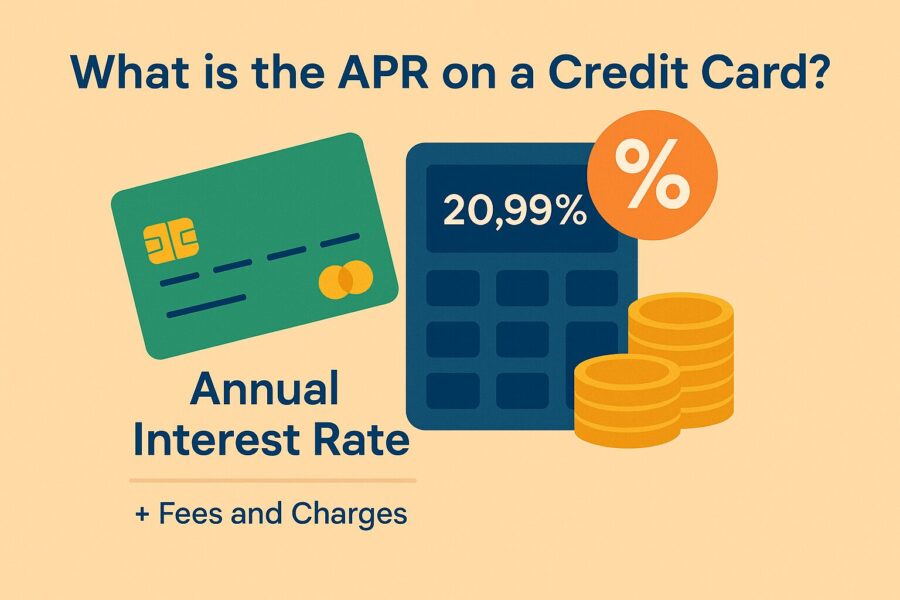
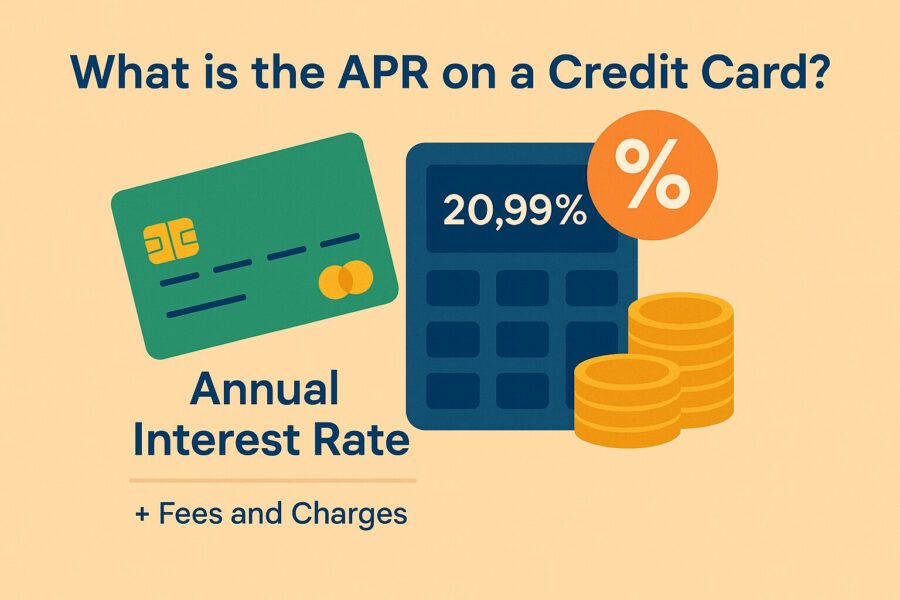
APR stands for Annual Percentage Rate. It represents the yearly cost of borrowing on a credit card, including interest and certain fees where applicable.
While people often use “interest rate” and “APR” interchangeably, APR provides a broader picture of borrowing costs.
There are several types of APR commonly associated with credit cards:
1. Purchase APR
This applies to regular purchases made using the card. If the full balance is not paid during the billing cycle, interest begins accumulating on unpaid amounts.
2. Balance Transfer APR
This rate applies when users transfer debt from one credit card to another. Some cards offer promotional low or 0% balance transfer APR for a limited period.
3. Cash Advance APR
Cash advances usually carry a higher APR than regular purchases. Interest often starts immediately without a grace period.
4. Penalty APR
Late payments or violations of card terms may trigger a penalty APR, which is typically much higher than the standard rate.
How Credit Card Interest Is Calculated
Most credit card issuers calculate interest daily using the card’s average daily balance and daily periodic rate.
For example, if a card has a 24% APR:
Daily interest rate = 24% ÷ 365
Interest accumulates each day on unpaid balances
This means carrying balances over time can significantly increase the total repayment amount.
Common Credit Card Charges Consumers Should Know
Interest is only one part of credit card costs. Many cards also include additional charges that users should understand carefully.
1. Annual Fees
Some premium or rewards-based cards charge yearly membership fees in exchange for travel benefits, cashback, or exclusive services.
2. Late Payment Fees
Missing payment deadlines can result in penalty charges and may also affect credit scores.
3. Foreign Transaction Fees
International purchases may include additional charges for currency conversion or overseas processing.
4. Cash Advance Fees
Withdrawing cash using a credit card often triggers both service fees and higher interest rates.
5. Over-Limit Fees
Some issuers charge fees when cardholders exceed their approved credit limit.
Conclusion
Understanding interest rates, APR, and credit card charges is essential for responsible financial management. While credit cards provide convenience and valuable benefits, borrowing costs can quickly increase when balances are not managed properly.
By learning how interest works and recognizing common fees, consumers can make informed decisions, control debt more effectively, and use credit cards as a financial tool rather than a financial burden.