
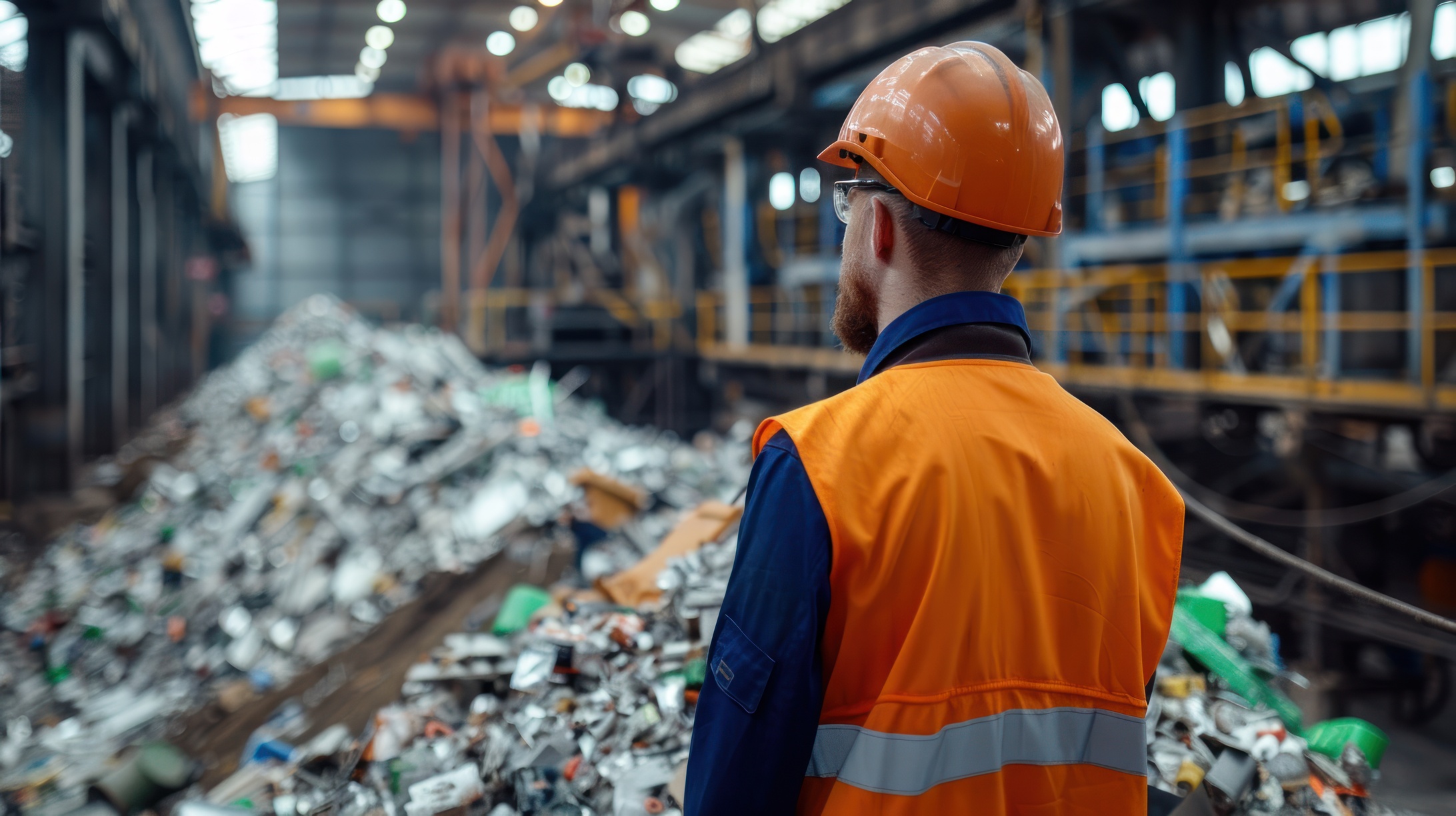
While growing numbers of municipalities are abandoning curbside recycling programs, post-industrial recyclers show no signs of slowing down. Post-industrial recycling has been a moneymaker for decades. As for post-consumer recycling, not so much. Most of the differences between the two types of recycling are found in the differences between plastics.
Seraphim Plastics is a Tennessee company that specializes in purchasing post-industrial scrap plastic and recycling it. The company does not deal in any post-consumer plastics. Why? Because the differences between the two types are significant. Not only that, attempting to recycle post-consumer plastics under the current recycling environment is a money-losing proposition.
There are six key differences between post-consumer and post-industrial plastics, differences that dictate why Seraphim can succeed even though so many municipalities cannot. Here they are:
1. Sourcing
The first and most obvious difference between the two types of plastics is sourcing. Post-industrial plastics come from companies. They can be manufacturers, logistics providers, food packagers, and on and on. Most post-industrial plastics are generated as waste during manufacturing. They include things like excess material and defective products.
Post-consumer plastics are generated by consumers who purchase, use, and discard products. They include things like food containers, product packages, plastic bottles, and household items.
2. Plastic Sorting
There are literally hundreds of different types of plastic all categorized under the numbering system most of us are familiar with. Recycling numbers tell manufacturers and recyclers exactly what they are dealing with. This applies to both post-consumer and post-industrial plastics in the realm of sorting.
Post-industrial plastics are sorted before being sold to recyclers. That means companies like Seraphim Plastics do not have to sort anything in the field. The opposite is true with post-consumer plastics. They are all thrown in together by consumers. It is up to recyclers to do the sorting.
3. Plastic Contamination
By their nature, post-industrial plastics are less likely to be contaminated. But even when they are, companies have an incentive to clean plastic waste before scheduling a pickup. That incentive is money. Conversely, post-consumer plastics tend to be heavily contaminated. If consumers do not clean them before sending them for recycling, the job is left up to recyclers.
4. Material Processing
Processing recycled plastics transforms them from waste into reusable materials. In the postindustrial environment, processing tends to be simple and efficient. For example, Seraphim runs a load of scrap plastic through a series of grinders to reduce it to pellets. The pellets are sold as regrind that manufactures use to make new products.
Material processing in the post-consumer environment is far more complex. Post-consumer plastics are more difficult to control as they move through the waste stream. In addition, recyclers don’t necessarily know what they are getting until after they get it. By contrast, an industrial recycler always knows the composition of every load prior to pick up.
5. Market Demand
Next up, the market demand for post-consumer recycled plastics tends to be pretty weak – with the possible exception of PET water and juice bottles. Things are just the opposite with post-industrial plastics. There is a high demand for materials like plastic regrind.
6. Material Reusability
Finally, post-industrial plastics can be reused indefinitely by way of recycling. Although most manufacturers combine recycled and virgin material, some applications allow for feeding with 100% recycled plastic. To achieve the same thing in the post-consumer environment, recyclers need to invest in more costly processes. But with weak market demand, making it work financially is not easy.
There are key differences between post-consumer and post-industrial plastics. Those key differences explain why curbside recycling does not work but industrial recycling does.


